


  • flinders.edu.au
  • Staff
  • Students
  • Library
Flinders University Logo Flinders University Logo
  • New students

    Getting started

    • New students - Start here
    • Accept offer
    • Orientation
    • Credit transfer
    • Ready2Go?
    • Find your college
    • Your FAN
    • Okta

    Higher degree by research

    • Apply for a higher degree by research
    • Start your higher degree by research
    • HDR online induction
    Student System
    Orientation planner
    Compass
  • My course

    My course

    • Course rules & topics
    • Manage your enrolment
    • Timetables
    • Textbooks
    • Exams, assessments and results
    • Academic Progress
    • GPA calculator
    • Graduation
    • Internal transfer
    • Prizes and awards
    • Summer topics
    • Transnational Education (TNE) Students
    • Academic integrity
    • Graduate qualities

    Careers and opportunities

    • Student placements (WIL)
    • Careers & employability
    • Global Mobility
    • Study abroad
    • Apply for honours year
    • Further study
    • Apply for a higher degree by research

    Higher degree by research

    • HDR home
    • Degree management
    • Progression and milestones
    • Examinations and completions
    • HDR development
    FLO
    Student System
    Compass
    Inspire
  • Support & services

    Health & wellbeing

    • Health services
    • Counselling services
    • Disability services
    • BetterU
    • Oasis Student Community Wellbeing Centre
    • Sport & fitness
    • Student Success & Wellbeing Advisors

    Study & learning

    • Academic advocacy
    • Learning Lounge
    • English language support
    • Study guides
    • Library
    • FLO Help
    • Student Learning Support Service
    • Elite athletes study support
    • Defence reserves study support

    Other support & services

    • Indigenous student services
    • International student services
    • Careers and employability
    • Legal advice
    • Financial advocacy
    • Financial support and scholarships
    • Flinders Connect

    IT & technology

    • Student systems and software
    • Email
    • Wi-Fi (eduroam)
    • Computers and printers on campus
    • Multi-factor authentication
    View all support & services
    Ask Flinders
    Flinders Support Network
    Support for Students
  • Uni life

    Campuses and facilities

    • Bedford Park campus
    • Tonsley campus
    • City Campus
    • Regional SA locations
    • Northern Territory campuses
    • Campus security
    • Accommodation
    • Flinders University Museum of Art (FUMA)
    • Parenting Facilities

    Student news

    • Ping! all student newsletter
    • Empire Times Magazine
    • Student Stories

    Get involved

    • Get involved overview
    • Your Student Association (FUSA)
    • Clubs & societies
    • Sport & fitness
    • FUSA events
    • Join the Student View Group
    • Become an Inspire mentor
    • Become a wellbeing ambassador
    • The Good Vibes Experiment
    • Flinders Learning Experience Conversations

    Colleges

    • College of Business, Creative Arts, Law and Social Sciences
    • College of Human Sciences and Culture
    • College of Medicine and Public Health
    • College of Nursing and Health Sciences
    • College of Science and Engineering
  • Finance & admin

    Finance and fees

    • Financial advice, emergency loans and grants
    • Scholarships
    • Fees, payments and refunds
    • Student Services & Amenities Fee (SSAF)
    • Domestic student financial assistance
    • International student financial assistance
    • Financial advocacy

    Admin & documents

    • Government compliance
    • My eQuals
    • Transcripts
    • AHEGS
    • Testamurs
    • Student ID cards
    • Justice of the Peace
    • Important dates
    • Policy

    Insurance

    • Student travel insurance
    • Student insurance
    Student System
    Online payments
    Ask Flinders
  • Feedback & rights

    Feedback

    • Ideas & feedback
    • Student Evaluation of Teaching (SET)
    • Success report
    • Surveys and Focus Groups

    My rights & policies

    • Safety on campus
    • Student policies and procedures
    • Equal opportunity & diversity
    • Work, Health and safety (WHS)
    • Student Code of Conduct

    Complaints

    • Complaints and appeals
  • flinders.edu.au
  • Staff
  • Students
  • Library
  • You have no saved courses.

    Continue to explore your course options.

     
    Explore our courses

    Your saved courses

    View all saved courses
  • Quick links 
    • Compass
    • Flinders dashboard (Okta)
    • Calendar and key dates
    • Ask Flinders
    • Student System
    • Flinders Learning Online (FLO)
    • Email login
    • Parking: Bedford Park
    • Campus map: Bedford Park
    • Policy library
    • Campus bus
    • Shop Flinders merchandise

 

STUDENT EXPERIENCE

Good Vibes Experiment

A student co-designed mental health campaign.

Explore the Activity Book

About the Campaign

Explore the Activity Book

About the Campaign

What is it
 
What is it Activity book Tactics Get inspired Support and Services
 

Contact us

Lots of ways to look after your mental health.

A student co-designed mental health campaign, the Good Vibes Experiment invites you to try small, evidence-informed wellbeing activities, discover what genuinely helps, and start building a way of looking after your mental health that works for you.

What is the Good Vibes Experiment?

Positive mental health, made tangible.

The Good Vibes Experiment explores how small, evidence-based actions can help build positive mental health. Co-designed by students, staff, designers and mental health professionals, it transforms wellbeing research into practical activities that are easy to try in everyday life—while also providing clear pathways to support when it's needed.

The Good Vibes Experiment is built around key principles that make positive mental health practical, evidence-based and accessible.

More than the absence of illness

Positive mental health is something we can actively build through everyday habits and experiences.

Backed by
evidence

The project draws on research from Be Well Co and the Greater Good in Action project, identifying 20 evidence-based wellbeing tactics.

There's no one-size-fits-all approach

From mindfulness and gratitude to time in nature, connection and purpose, different strategies work for different people.

Designed with community

The Activity Book offers simple "taste-tester" activities to explore in daily life, alongside clear pathways to mental health services and support if needed.

01-gveactivity.png

A practical starting point for experimenting with mental health.

The Activity Book brings the campaign to life with short reflective exercises, playful prompts, and simple wellbeing activities. Some pages help you slow down and notice. Others help you reflect, connect, plan, or seek help.

It works best as a taste-tester: try something, see what resonates, and use that insight to shape your own mental health toolkit.

You can pick up free Activity Books at places like Oasis and Health, Counselling and Disability Services. You can also view it online and request that a copy be sent out to you if you are not on campus.

View the full book online

Order a copy

Twenty different pathways into better mental health.

If the Activity Book is the starting point, these are the ideas behind it.

Good Vibes is built around a diverse set of 20 evidence-informed wellbeing tactics. The point is not to do all of them. The point is to explore, notice, and build a version of mental health care that feels workable for you.

1. Face your fears

Pick something slightly uncomfortable, not overwhelming, and take one small step toward it today. Send the email, ask the question, or start the task. Growth happens just outside your comfort zone.
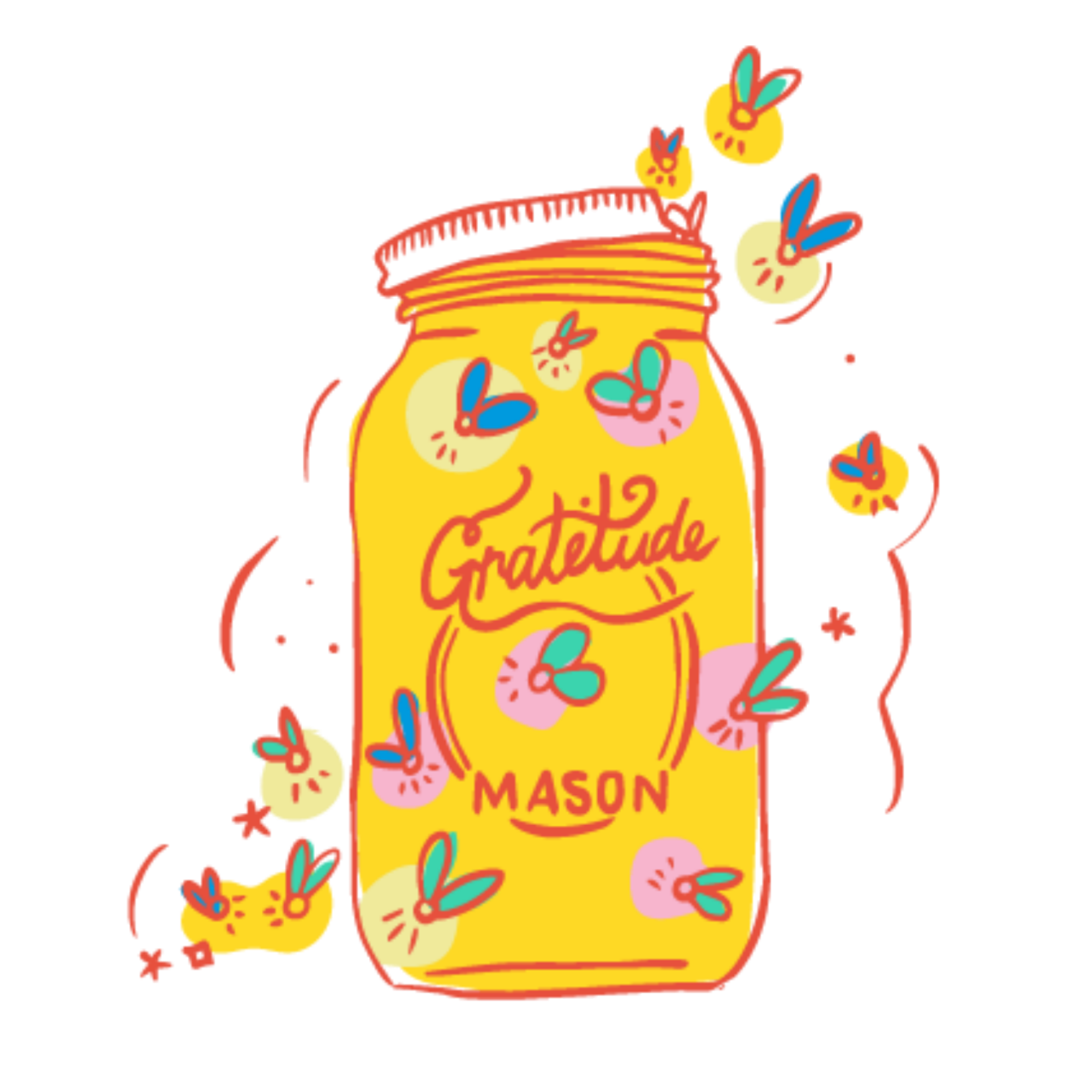
2. Gratitude

Write down or tell someone one thing you genuinely appreciate about them or your day. Make this a daily habit to train your attention toward what's going well.
 

3. Self-understanding

Spend a few minutes reflecting on what you enjoy, what drains you, and what you're good at. Use those insights to make one small decision that better fits who you are.
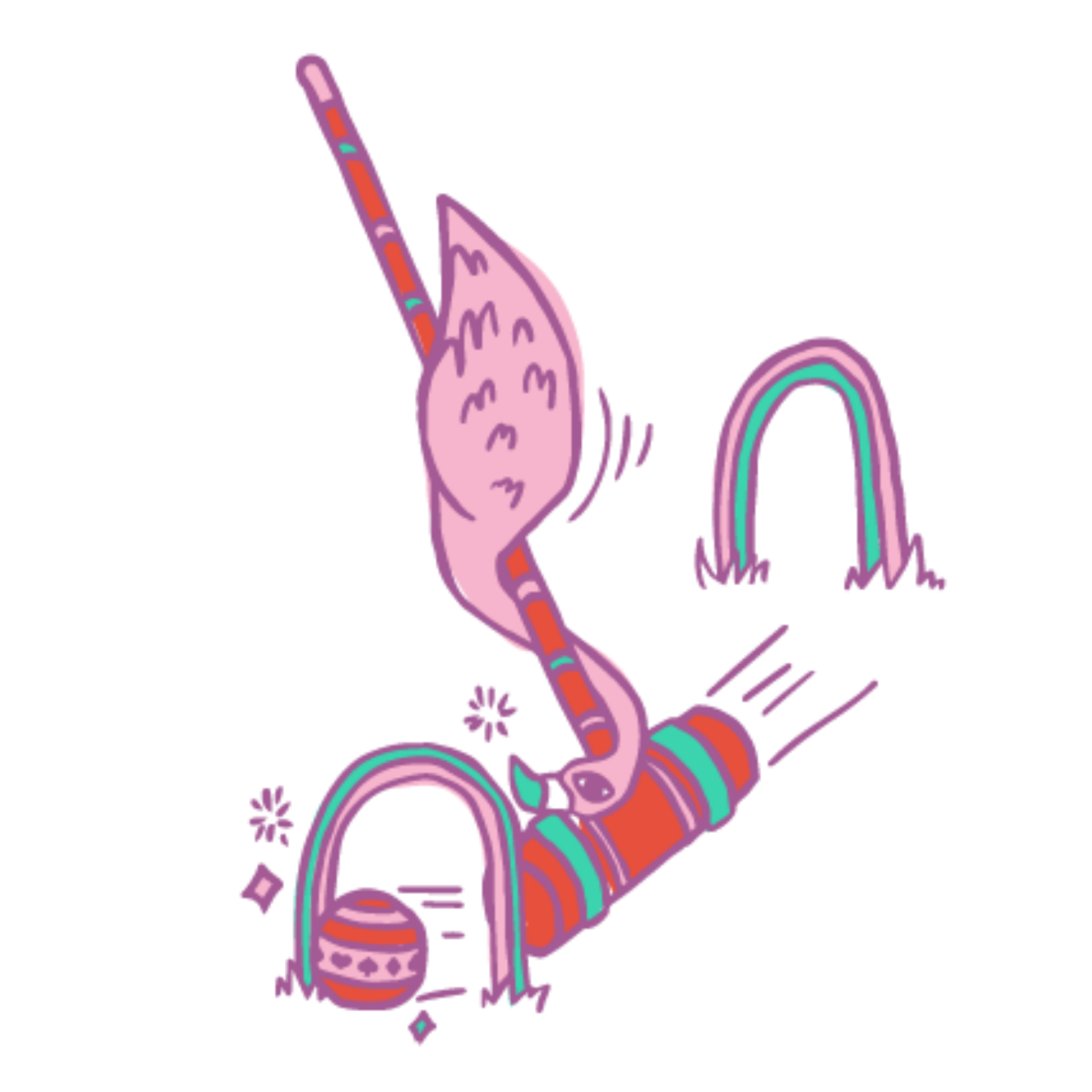
4. Having fun

Do one activity today purely because it's enjoyable. No productivity angle required. Fun is not a reward, it is part of staying mentally healthy.

5. Change your thinking

Notice one negative or unhelpful thought and ask, "Is there another way to look at this?" Try replacing it with a more balanced or realistic perspective.
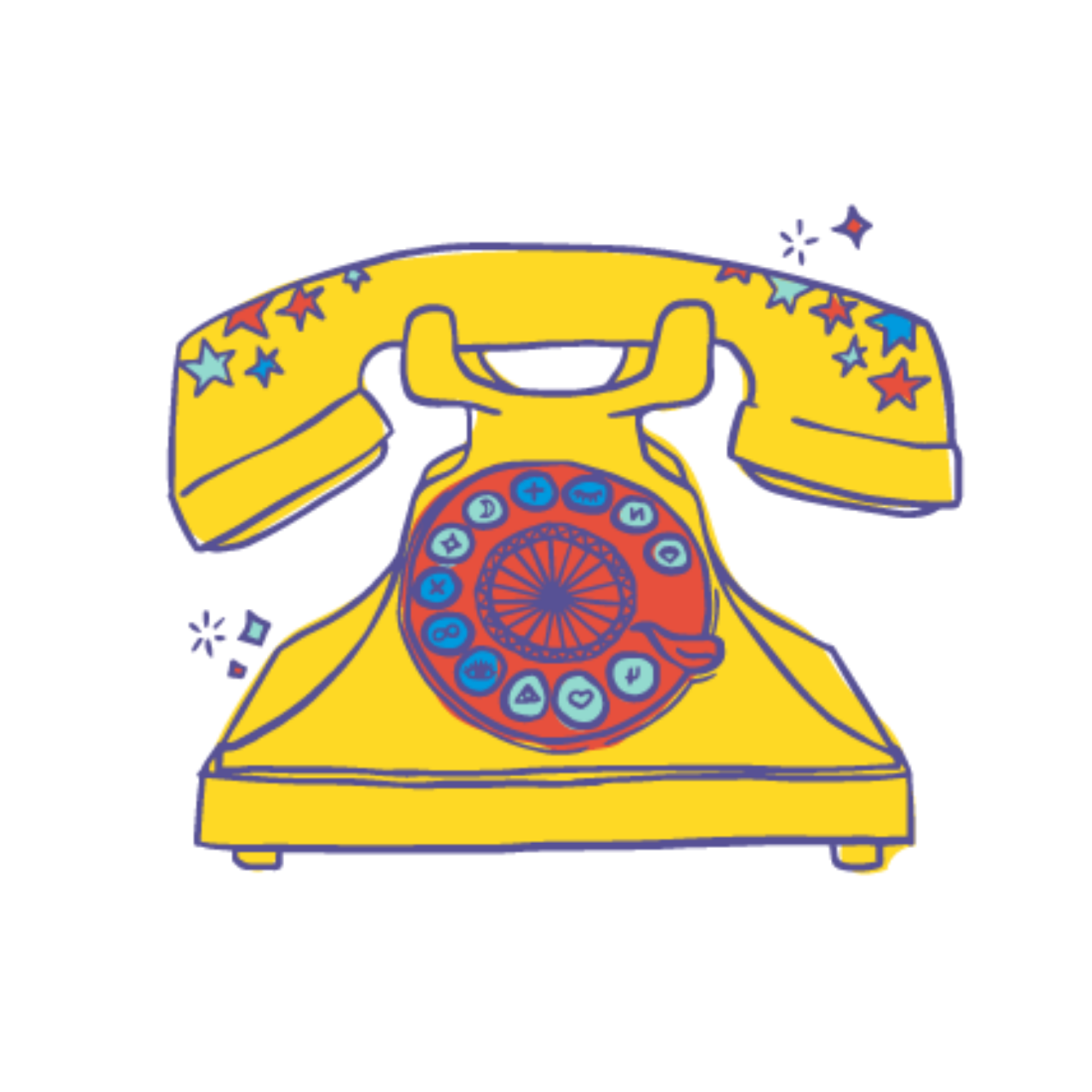
 

6. Seek help

If something has been weighing on you, reach out. Send a message, book an appointment, or talk to someone you trust. You do not have to figure everything out on your own.

7. Expressive writing

Write freely for 5 to 10 minutes about something that has been on your mind. Do not edit, just get it out. This helps process emotions and make sense of experiences. 
 

8. Forgiveness

Think of a situation where you are holding onto resentment and consider what it might look like to loosen your grip on it. Forgiveness is about freeing yourself, not excusing the other person.

9. Productivity

Pick one important task and work on it with full focus for a short, defined period such as 25 to 30 minutes. Aim to work smarter by removing distractions and being intentional.

10. Meaning & purpose

Ask yourself what matters to you and how you want to contribute to the world. Take one small action today that aligns with that direction. 

11. Healthy lifestyle

Do one thing that supports your body and mind. This could be sleep, movement, nutrition, or a break. Small, consistent habits build a strong foundation over time.

12. Awe

Pause and take in something bigger than you, such as a sunset, music, nature, or a powerful idea. Let yourself fully experience that sense of wonder for a moment.

13. Kindness

Do something kind for someone today. Send a message, help out, or offer encouragement. Small acts of kindness benefit both you and the other person.

14. Future orientation

Imagine the kind of life or person you want to become, then identify one step you can take today toward that future. Big visions are built through small actions.

15. Deliberate practice

Choose a skill you want to improve and practice a specific part of it with focus and feedback. Improvement comes from targeted effort, not just repetition. 

16. Time in nature

Spend at least 10 to 20 minutes outside. Walk, sit, or study in a natural environment. Even short bursts of nature can reset your mood and stress levels.

17. Connection

Reach out to someone. Have a conversation, check in, or spend time together. Strong relationships are one of the most powerful supports for mental health.

18. Compassion

When things go wrong, talk to yourself the way you would talk to a friend. Acknowledge the difficulty and respond with kindness instead of criticism. 

19. Teaching

Share something you have learned with someone else. Explain a concept, give advice, or show a skill. Teaching reinforces your own understanding and builds connection. 

20. Meditation & mindfulness

Take a minute to focus your attention. This could be your breath, your surroundings, or what you are doing. When your mind wanders, gently bring it back.
 

New ideas. New stories. New ways to experiment.

Discover the latest GVE in Action stories, videos and practical ideas from BetterU. As the campaign grows, this section will continue to highlight new ways students and staff are exploring positive mental health.

View all stories

A few small experiments to get started.

Small actions count. Mental health often grows through repeated, everyday choices rather than one dramatic breakthrough.

Take one minute to notice your breathing and let your attention settle.
Pause and breathe.

Send a grateful message.

Text or message someone who makes your life better and tell them why.

Picture your future self.

Imagine a version of you in a few years from now doing well. What helped you get there?

Spend 10-15 minutes in nature or somewhere that gives your mind room.
Step outside.

Sometimes the next step is reaching out.

Good Vibes is designed to help you build knowledge, skills, and healthier habits for your mental health. When you’re ready to go further, there are dedicated wellbeing options available—whether you’re looking for clinical support through HCDS, a welcoming community space on campus like Oasis, or a broader range of services through the full student support directory.

Health, Counselling and Disability Services

Access counselling, medical care, disability support, self-help resources, and wellbeing programs.


Visit HCDS

Oasis Student Wellbeing Centre

A welcoming on-campus space to relax, connect, and access wellbeing programs. Drop in for lounge spaces, free tea and coffee, and links to supports and community.

Visit Oasis

Explore all student support

Browse the full Flinders support directory covering health and wellbeing, study support, admin, finances, technology, safety, and more - so you can find the right help, whatever you’re dealing with.

Open support directory

Good Vibes starts the conversation. BetterU helps you keep going.

BetterU is Flinders’ broader student wellbeing hub. It can extend what students discover through Good Vibes with articles, tools, events, programs, support links, and practical guidance for everyday university life.

Learn more about BetterU

Take the experiment further

The Good Vibes Experiment is designed to be shared, adapted and used in different ways. Whether you’re looking for campaign resources, have an idea to share, or are interested in bringing GVE into your teaching, we’d love to hear from you.

Use the resources

Flinders University has waived copyright over the Good Vibes Experiment materials so they can be freely used and adapted by universities, organisations and others interested in the campaign. Campaign resources, media release, promotional materials and supporting information are available through the link below.

Access campaign resources

Connect with the team

The Good Vibes Experiment is now managed through BetterU and Oasis at Flinders University. If you have a question, an idea, or would like to know more about the campaign, we’d love to hear from you.

Chat to us

Bring GVE into your teaching

Many of the ideas in the Good Vibes Experiment work well in learning environments. Whether you’re coordinating a topic, teaching a class, or supporting students in another way, we’d be happy to explore how GVE resources might complement your curriculum or student experience.

Learn more

More information?

The Good Vibes Experiment is a collaboration between students, FUSA, Health, Counselling and Disability Services, Oasis, and Student Experience. If you’d like to get in touch with the team, you can reach us via the email below.

Contact us

Flinders University Logo

Sturt Rd, Bedford Park
South Australia 5042

Student help and requests

  • Glossary
  • Flinders website
  • Staff Portal

Follow Flinders

Facebook - Flinders University
Instagram - Flinders University
TikTok - Flinders University
LinkedIn - Flinders University
Bluesky - Flinders University
YouTube - Flinders University
Brand SA logo Indigenous communities 2050 Alliance

Website feedback and requests

Disclaimer

Accessibility

Privacy

CRICOS Provider: 00114A      TEQSA Provider ID: PRV12097      TEQSA category: Australian University

Last Updated: 23 Aug 2026

This website uses cookies

Flinders University uses cookies to ensure website functionality, personalisation and a variety of purposes as set out in its website privacy statement. This statement explains cookies and their use by Flinders.

If you consent to the use of our cookies then please click the button below:

Accept all cookies and continue

If you do not consent to the use of all our cookies then please click the button below. Clicking this button will result in all cookies being rejected except for those that are required for essential functionality on our website.

Reject all non-essential cookies and continue